Residential Aged Care, Dementia Care, ...
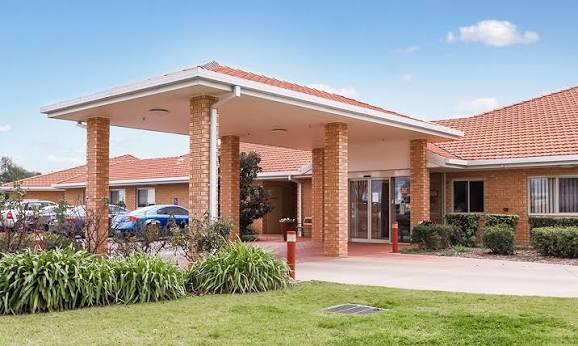
Hunters Hill Village
90/100Safety•Grade A+
Hunters Hill, NSW
Pricing
Contact provider
35 beds
4.0(Gov)Gov Rating


Matching Homes
822
Palliative Care
Bed Capacity
66,275 beds
Registered places
Average RAD
Varies
Refundable Accommodation Deposit
DAP Equivalent
At statutory MPIR
Current 8.38% MPIR rate
Statewide average RAD: Published per facility.
5 / 5.0 ★ ACQSC Rating
Southern Cross Care Orana Residential Aged Care →47 RN mins / 222 total care mins
Palliative and end-of-life care across New South Wales (NSW) is delivered through 822 Commonwealth-accredited residential aged care homes with a combined capacity of 66,275 operational bed places. Backed by 257 Private, 10 Government, these services prioritize dignity, comfort, clinical pain control, and comprehensive emotional support for residents entering their terminal phase of life.
The average accommodation RAD across participating homes in New South Wales is competitive with regional benchmarks (or approx. $—/day DAP). Palliative care in residential aged care is supported by Commonwealth AN-ACC funding classifications and specialized palliative supplements, allowing high-intensity clinical interventions to be administered on-site without unnecessary transfers to acute public hospital emergency rooms.
Homes across New South Wales operate in close alignment with state palliative care clinical networks, incorporating specialized syringe drivers, continuous pain relief protocols, and visiting palliative specialists. Dedicated family suites allow loved ones to remain at the bedside comfortably around the clock during final days.
Explore accredited aged care homes offering palliative care across major towns and metropolitan suburbs.
363 palliative care homes
40 palliative care homes
35 palliative care homes
37 palliative care homes
10 palliative care homes
8 palliative care homes
7 palliative care homes
7 palliative care homes
7 palliative care homes
7 palliative care homes
7 palliative care homes
6 palliative care homes
6 palliative care homes
6 palliative care homes
6 palliative care homes
6 palliative care homes
5 palliative care homes
5 palliative care homes
5 palliative care homes
5 palliative care homes
4 palliative care homes
4 palliative care homes
4 palliative care homes
4 palliative care homes
4 palliative care homes
4 palliative care homes
4 palliative care homes
4 palliative care homes
4 palliative care homes
4 palliative care homes
4 palliative care homes
4 palliative care homes
4 palliative care homes
4 palliative care homes
4 palliative care homes
4 palliative care homes
4 palliative care homes
4 palliative care homes
4 palliative care homes
3 palliative care homes
Accredited providers with verified ACQSC star ratings and dedicated palliative care services.
Residential Aged Care, Dementia Care, ...
Pricing
Contact provider
Residential Aged Care, Dementia Care, ...
Pricing
Contact provider
Residential Aged Care, Dementia Care, ...
Pricing
Contact provider
Residential Aged Care, Dementia Care, ...
Pricing
Contact provider
Residential Aged Care, Dementia Care, ...
Pricing
Contact provider
Residential Aged Care, Dementia Care, ...
Pricing
Contact provider
Residential Aged Care, Dementia Care, ...
Pricing
Contact provider

Residential Aged Care, Dementia Care, ...
Pricing
Contact provider
Residential Aged Care, Dementia Care, ...
Pricing
Contact provider
Residential Aged Care, Dementia Care, ...
Pricing
Contact provider
Residential Aged Care, Dementia Care, ...
Pricing
Contact provider
Residential Aged Care, Dementia Care, ...
Pricing
Contact provider
Accommodation can be paid as a RAD (refundable lump sum) or DAP (daily interest payment at 8.38% MPIR). Clinical and care fees are subsidised by the Commonwealth Government through My Aged Care and the AN-ACC funding model.
Statewide answers on palliative care subsidies, ACQSC ratings, and eligibility in New South Wales (NSW).
Accredited homes in New South Wales provide comprehensive end-of-life care including 24/7 clinical Registered Nursing, specialized subcutaneous pain and symptom management, emotional and spiritual counseling, advance care planning, and overnight private family accommodation.
Yes. Most families choose residential aged care for end-of-life support because it offers a familiar, calm, homelike setting with continuous nursing care, avoiding the clinical stress of acute hospital emergency wards.
Accommodation is paid via RAD, DAP, or combination, while intensive clinical nursing care is subsidized by the Australian Government through the AN-ACC funding model.
Yes, approved homes work directly with community palliative care teams, state health palliative outreach nurses, and local general practitioners to tailor individualized symptom management plans.
If a resident is already in care, the clinical care coordinator will review the resident's Advance Care Directive alongside their GP and family. For new admissions, an urgent ACAT assessment with priority palliative status will expedite placement.